


In today’s competitive and time-sensitive transportation industry, fleet managers face constant pressure to cut costs, increase uptime, and ensure operational efficiency. One of the most impactful strategies emerging across logistics, construction, and agriculture is bulk fuel delivery. This solution offers a smarter, faster, and more reliable way to refuel large fleets and heavy machinery.
Table of Contents
Whether you’re running a trucking company, overseeing a municipal fleet, or managing construction equipment in remote locations, bulk fuel delivery can revolutionize your operations.
What Is Bulk Fuel Delivery?
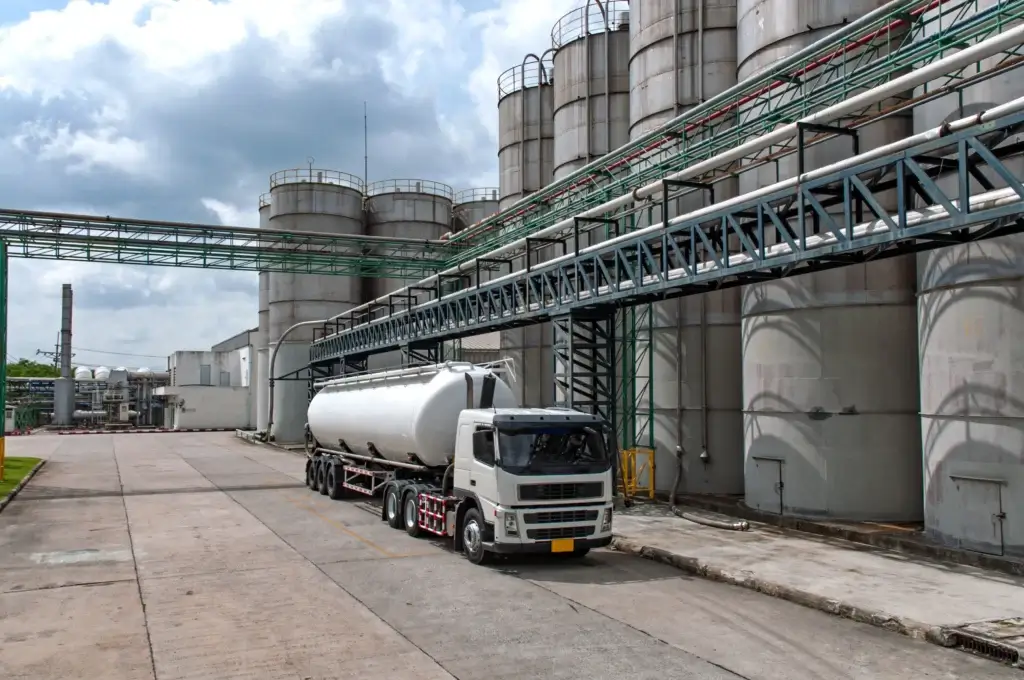
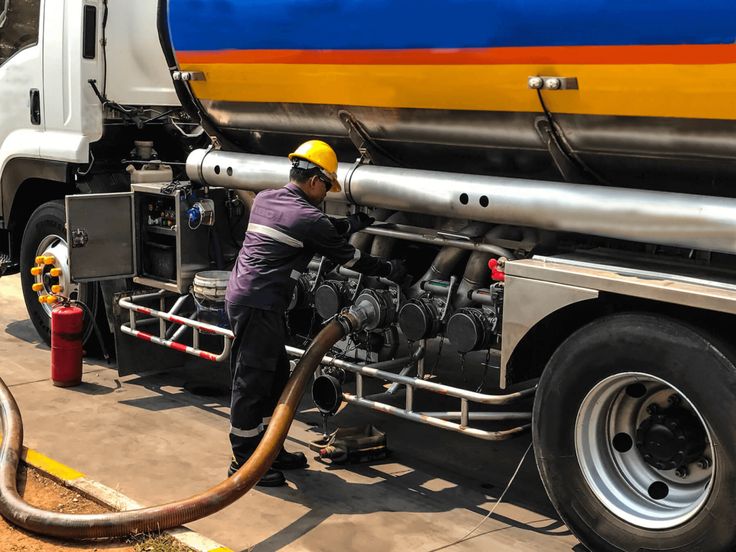
Bulk fuel delivery is a service where large volumes of fuel—typically bulk diesel fuel or gasoline—are transported directly to your facility, fleet yard, job site, or equipment. Instead of relying on retail gas stations or off-site refueling, companies can refuel vehicles or store fuel on-site through scheduled or on-demand deliveries.
This system, also referred to as bulk fueling, is offered by professional bulk oil suppliers and distributors who specialize in delivering fuel safely and efficiently to commercial and industrial customers.

Why Bulk Fuel Delivery Is a Game Changer for Fleet Managers
1. Massive Time Savings
Traditional refueling often requires drivers to leave their route, spend time at the pump, and wait in lines. Over time, this adds up to hundreds of lost hours per year. With bulk fuel delivery, drivers start their shifts fully fueled, maximizing uptime and productivity.
2. Lower Fuel Costs
Buying bulk fuel in large quantities usually comes at a discounted rate. Fleet managers can lock in favorable pricing by negotiating long-term contracts with their bulk oil suppliers, protecting themselves from price fluctuations and reducing per-gallon expenses. Additionally, bulk diesel delivery eliminates extra fuel costs from unnecessary mileage spent reaching fueling stations.
3. Enhanced Fuel Management
Many bulk fueling services include metered delivery and tracking systems, offering detailed insights into fuel usage per vehicle or piece of equipment. This helps fleet managers monitor consumption, prevent fuel theft, and identify inefficiencies.
4. On-Demand and Scheduled Deliveries
Most bulk diesel delivery providers offer both scheduled refueling and emergency services. Whether you want a set weekly refill or require same-day delivery during peak demand, the flexibility ensures your fleet is always ready to roll.
5. Better Equipment Maintenance
Clean, filtered bulk diesel fuel reduces contaminants that can clog fuel injectors or damage engines. Reputable suppliers maintain high fuel quality, ensuring your machinery and vehicles run smoothly and last longer.
6. Compliance and Safety
Professional bulk oil suppliers adhere to strict environmental and safety regulations. They manage proper storage, transport, and delivery processes to protect your workforce and ensure compliance with local and federal guidelines.
Who Can Benefit From Bulk Fueling?
While bulk fuel delivery is most commonly associated with large commercial fleets, its advantages span multiple industries:
- Transportation & Logistics: Keeps delivery trucks and long-haul vehicles on schedule.
- Construction: Fuels heavy machinery directly on job sites without downtime.
- Agriculture: Supports tractors, harvesters, and irrigation systems during critical seasons.
- Warehousing & Manufacturing: Powers forklifts and emergency generators.
- Municipal Services: Maintains police cars, ambulances, snowplows, and fire trucks.
Even small-to-mid-sized operations with consistent fuel consumption can benefit significantly from switching to bulk fueling.
Choosing the Right Bulk Fuel Supplier
Not all fuel delivery services are created equal. Here are some key factors to consider when choosing a bulk oil supplier:
- Reputation & Reliability: Check reviews and request referrals.
- Delivery Capabilities: Ensure they can handle your volume and schedule needs.
- Fuel Quality Assurance: Ask about filtration processes and testing standards.
- Technology & Reporting: Look for fuel tracking and real-time inventory tools.
- Safety & Compliance: Verify their certifications and regulatory adherence.
- Emergency Services: Inquire about 24/7 or after-hours fuel support.
Partnering with a reliable supplier means you won’t have to worry about inconsistent deliveries or poor fuel quality disrupting your operations.
Getting Started with Bulk Fueling
Transitioning to bulk fuel delivery is straightforward:
- Assess Your Fuel Usage: Track how much fuel your fleet consumes monthly.
- Install Storage Tanks (if needed): Choose the right size and placement based on your needs.
- Contact a Supplier: Request quotes from multiple bulk fuel providers and compare services.
- Schedule Deliveries: Set regular delivery intervals or create a usage-based schedule.
- Integrate Reporting Tools: Work with your supplier to set up tracking, reporting, and reordering systems.
Many bulk diesel delivery providers also assist in setting up safe storage solutions and maintaining fuel tanks.
FAQs About Bulk Fuel Delivery
What types of fuel are available through bulk delivery?
Most providers deliver bulk diesel fuel, gasoline, biodiesel, and sometimes propane or kerosene. Some also supply DEF, motor oil, and lubricants.
Is there a minimum order quantity for bulk fuel?
Yes, most suppliers require a minimum order, typically ranging from 100 to 500 gallons. However, requirements vary depending on your location and fuel type.
Can I monitor fuel usage per vehicle?
Absolutely. Many bulk fueling providers offer metered delivery and fuel management software that helps you track consumption per unit, reduce waste, and prevent unauthorized use.
Is bulk fueling safe?
Yes—when handled by certified professionals. Reputable bulk oil suppliers follow strict safety, fire, and environmental protocols to ensure clean, secure fuel handling and storage.
How do I store bulk fuel on-site?
You’ll need a certified fuel storage tank with proper containment measures. Suppliers often assist in selecting and installing tanks that comply with local regulations.
Final Thoughts
For modern fleet managers, bulk fuel delivery is more than just a convenience—it’s a strategic tool. From cost savings and operational efficiency to improved tracking and safety, bulk fueling offers unmatched advantages in fueling large fleets or heavy-duty equipment.
By partnering with a dependable bulk oil supplier, your operation gains greater fuel control, fewer disruptions, and a boost in overall productivity. If you’re still relying on retail refueling or juggling jerry cans on job sites, now is the time to consider upgrading to bulk diesel delivery.
Ready to fuel smarter? Talk to a trusted bulk fuel provider today and transform the way your fleet runs—efficiently, affordably, and on your schedule.